Solo Travel Safety: Your Practical Planning Guide
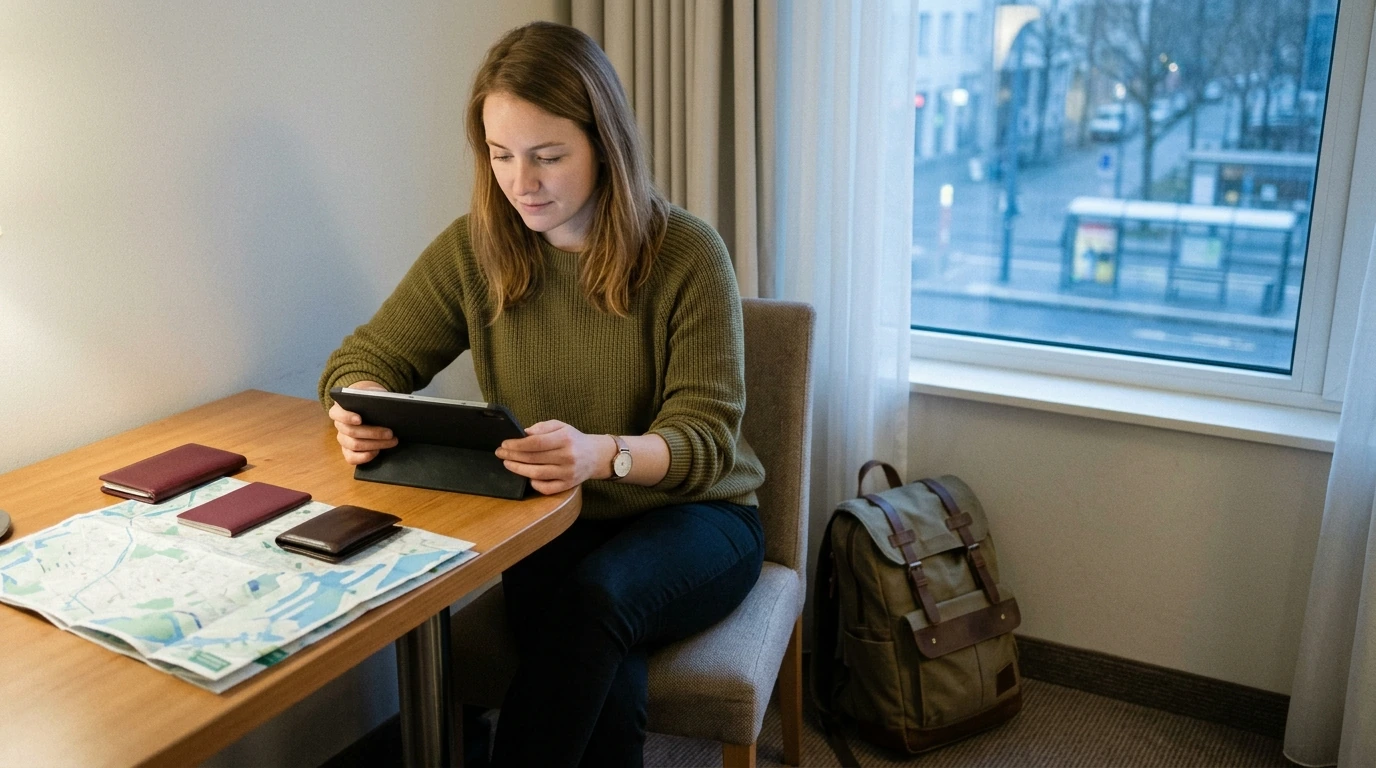
Traveling solo gives you room to set your own pace, but it also means making more decisions on your own. A safety plan does not have to be complicated: a few habits can help you prepare for arrivals, keep important contacts close, and respond when plans change.
Our Solo Traveler’s Guide to Staying Safe is a digital PDF guide for travelers preparing independently. Pair it with current advice for your destination, and use the steps below to build a plan that fits your trip.
Make a Safety Plan Before You Leave
Start with the essentials before you book. Review the U.S. Department of State’s travel advisories for destination-specific information, including local conditions and entry requirements. Check passport and visa requirements with the appropriate authorities, and look them over again closer to departure in case rules change.
Save local emergency numbers and the contact details for your country’s nearest embassy or consulate. The emergency number you use at home may not work elsewhere. For health preparation, consult CDC Travelers’ Health for destination-specific guidance and consider whether you need to speak with a health professional before leaving.
Give someone you trust your itinerary, accommodation details, and a way to reach you. Agree on a check-in schedule that suits your plans, and explain what they should do if you miss a check-in. Update them if your route changes substantially.
Keep copies of your passport, identification, insurance information, and reservations separate from the originals. Store digital copies securely, and consider carrying a paper copy where appropriate. Arrange access to backup funds, such as a second payment method kept apart from your primary card, so a lost wallet does not leave you without options.
Choose a Place to Stay With Confidence
Look beyond the nightly rate when comparing accommodations. A convenient location can make it easier to reach your lodging without a long, unfamiliar walk or a complicated transfer. Review recent neighborhood advice and check how you will travel between the property, transit stops, and the places you plan to visit.
Read recent reviews across credible sources, paying attention to comments about secure entry and how staff respond to concerns. A single review is not the whole picture, but repeated, recent observations can help you identify questions to ask before booking.
Confirm reception hours and how you will get in if you arrive late. Check whether the room has a functioning lock and whether the property explains its check-in process clearly. If your flight or train is delayed, know how to contact the accommodation and what alternatives are available.
Accommodation Safety Checks
| Check | What to look for | Why it matters |
|---|---|---|
| Location | Transport links and recent neighborhood advice | Helps you plan arrivals and departures |
| Access | Secure entry and clear check-in arrangements | Helps you avoid uncertainty on arrival |
| Reviews | Recent comments about security and staff responsiveness | Offers context from previous guests |
The best choice depends on your destination, budget, and itinerary. A property close to a station may be useful for an early departure, while a different neighborhood may be more convenient for the activities you have planned.
Build Simple Habits for Days on the Move
Before setting out, check your route and transportation options, especially if you expect to arrive after dark. Save the address of your next stop and consider downloading an offline map. If you plan to use a taxi or ride service, learn how to identify an authorized provider and confirm the destination before you leave.
Keep your phone charged and carry a charging cable or power bank when practical. Divide valuables between secure places rather than keeping every card and document together. Avoid posting your real-time location publicly; you can share trip photos after you have moved on.
Leave room in your schedule for changes. If a route feels uncomfortable, you can choose a busier alternative, return to your accommodation, or ask staff at a reputable business for help. Trust your judgment: move to a public place or contact local assistance if a situation feels unsafe. You do not need to continue with a plan simply because you made it in advance.
Keep a Practical Guide Close
Our team offers the Solo Traveler’s Guide to Staying Safe for $8.99 USD. This digital download PDF eBook focuses on solo travel safety tips, checklists, and travel security planning. Keep it accessible while you prepare, alongside your reservations and emergency contacts.
A portable guide can support your planning, but it cannot replace up-to-date local information or guarantee a safe trip. For broader everyday decision-making, you can also explore our Critical Thinking & Problem Solving eBook. Before departure, revisit your travel plans and make sure your trusted contact has the latest version.
FAQ
Where is the best place to stay for a solo traveler?
Choose a well-reviewed accommodation with convenient transportation, secure access, and clear arrival arrangements. The best location depends on your destination, budget, and itinerary.
What should solo travelers check before a trip?
Review official travel advice, entry and document requirements, emergency contacts, transportation plans, and accommodation details. Share your itinerary and a check-in schedule with someone you trust.
How can a digital safety guide help with solo travel planning?
A digital guide can provide a portable reference for safety tips and checklists as you prepare. Pair it with current destination-specific advice rather than treating it as a guarantee of safety.












Leave a comment